
How We Work
What Do You Want to Say—and How Will People Receive It?
Organizations often have plenty to say.
But what they intend to communicate is not always what people hear.
Audiences bring their own experiences, assumptions, questions and doubts to every message. Information alone does not always connect.
People need context. They need to understand why the message matters, how it relates to them and what is at stake.
That is where story begins.
Story gives the message a human point of view, a clear shape and a reason to be remembered.
So we begin by looking at both sides:
What do you want people to understand?
How are they likely to receive it?
The space between those two questions is where our work begins.
Then we ask:
What needs to be clear when the story is over?
That answer becomes the center of the work.
Every Story Has a Job
A story may need to explain an unfamiliar idea, earn trust, shift a perception, show impact or move someone to act.
The right approach depends on the audience—what they know, what they question, what may make them hesitate and what could help them see the message differently.
We identify the story’s job first. Then we determine how the message needs to travel in order to land.
Find the Human Way In
People connect with ideas through people.
The story might center on a customer, employee, founder, patient, executive—or someone whose experience reveals why the message matters.
Sometimes the story comes through an interview. Sometimes it unfolds through action, behavior, performance or a carefully observed moment.
The approach changes. The goal does not:
Find the human experience that makes the larger idea real.
Make the Complicated Clear
From inside an organization, everything can feel important.
From the outside, too much information can make it difficult to understand anything at all.
We help determine what the audience truly needs to know, what may be getting in the way and what can be left out.
Then we shape the story so people can follow it, remember it and respond to it.
Strategy Before Production
Before deciding what to make, we ask:
- What are you really trying to communicate?
- Who needs to understand it?
- What may be unclear or difficult to believe?
- Where is the human story?
- What will make the message credible?
- What should people think, feel or do next?
The answers guide the story, format and production plan.
Then We Bring It to Life
Once we understand the message, the audience and the story’s job, we determine the best way to bring it to life.
That may lead to a commercial, brand film, public-information campaign, narrative film, customer or patient story, executive film, recruitment piece, documentary or a connected group of videos.
The form follows the need.
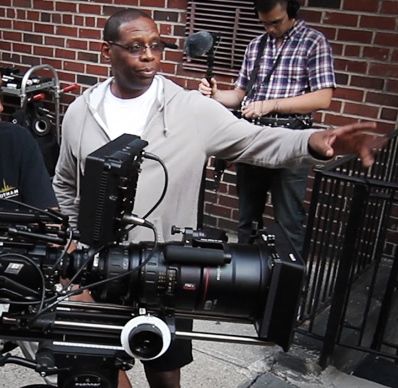
Experience Behind the Process
For more than 30 years, Jacob C. Williams has created commercials, branded films and visual stories for major companies, agencies and television networks.
That experience has taught him that polished production is only part of what makes a story effective.
The story must also make the message clear, give people a reason to care and help them understand what comes next.
Start With a Conversation
Tell us what you are trying to communicate and who you need to reach.
Discuss Your Project